Smile Yellow: Elevating Brand Authenticity Through Playful Typography
In the contemporary landscape of digital design and brand communication, typography has transcended its traditional role as a mere vessel for information. It has become a primary driver of emotional connection, user engagement, and brand identity. Amidst a sea of minimalist sans-serifs and rigid corporate typefaces, a distinct shift is occurring toward fonts that embody warmth, approachability, and genuine human expression. At the forefront of this movement is Smile Yellow, a cute and colorful display font that captures the essence of playfulness and authenticity. For professionals, creators, and entrepreneurs looking to differentiate their visual language, understanding the strategic value of such a typeface is no longer optional—it is essential.
The Strategic Value of Approachable Design
The modern consumer is increasingly skeptical of overly polished, sterile corporate aesthetics. There is a growing demand for brands and content that feel "real," accessible, and human-centric. This cultural shift is reflected in design trends that favor organic shapes, vibrant colors, and typography that breaks away from strict grid systems. Smile Yellow fits seamlessly into this broader industry trend by offering a visual voice that is both inviting and distinctive.
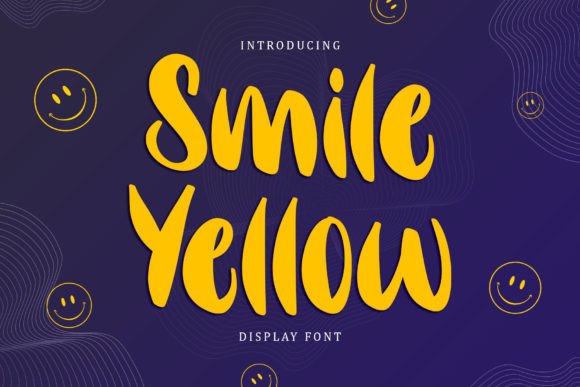
When we discuss the relevance of Smile Yellow, we are not merely talking about aesthetic preference; we are addressing a fundamental change in how audiences process information. In an era of information overload, designs that evoke positive emotions stand out. The chunky, rounded letterforms of Smile Yellow do more than just display text; they create an immediate psychological association with safety, joy, and creativity. For marketers and freelancers, leveraging this emotional resonance can significantly enhance conversion rates and user retention, particularly in sectors where trust and likability are paramount.
Aligning with Educational and Creative Trends
One of the most potent applications of this typeface lies in the education and children’s activity sectors. As educational technology (EdTech) continues to expand, there is a critical need for interfaces and materials that reduce cognitive load and anxiety for young learners. Traditional, rigid fonts can sometimes feel intimidating or overly academic to children. In contrast, Smile Yellow embodies playfulness, making it the perfect choice for any children activity or school project.
Educators and content creators are increasingly recognizing that the visual environment plays a crucial role in learning outcomes. By adding this chunky lettered font to your designs, you notice how it makes them come alive. It transforms static worksheets into engaging experiences and turns digital apps into welcoming spaces. This alignment with pedagogical best practices—where engagement drives comprehension—makes Smile Yellow a practical tool for anyone involved in creating educational content, from textbook publishers to app developers.
Versatility Beyond the Classroom
While its roots in playful design are evident, the utility of Smile Yellow extends far beyond elementary education. Entrepreneurs and small business owners in lifestyle, wellness, and creative industries are finding unique ways to integrate this font into their branding strategies. The key lies in understanding the context of "authenticity." In a market saturated with generic templates, brands that dare to be slightly unconventional often capture attention more effectively.
Consider the rise of the "creator economy." Freelancers and influencers are building personal brands that rely heavily on personality and relatability. A portfolio website, social media graphic, or newsletter header using Smile Yellow signals to the audience that the creator is approachable, fun, and confident. It breaks down the barrier between the professional and the client, fostering a sense of community rather than a transactional relationship. This is particularly effective for coaches, illustrators, and boutique service providers who want to highlight their unique value proposition through visual warmth.
Technical Integration and Workflow Efficiency
From a technical perspective, integrating display fonts like Smile Yellow into modern design workflows requires a balance of creativity and restraint. Designers must ensure that legibility is maintained, especially when using such a distinctive typeface. However, the robust structure of Smile Yellow ensures that it remains readable even at smaller sizes, provided it is used appropriately within the hierarchy of the design.
For web designers and developers, the trend toward variable fonts and optimized web typography means that incorporating custom display fonts is easier than ever. Smile Yellow can be paired effectively with neutral, highly legible body fonts to create a balanced composition. This combination allows the headline to grab attention with its colorful, chunky personality, while the body text ensures that the core message is delivered clearly. This duality addresses the changing needs of users who scan content quickly but stay for depth if the initial visual hook is compelling.
Why Audiences Are Paying Attention
The attention surrounding fonts like Smile Yellow is not a fleeting fad; it is a response to a deeper societal desire for connection. Post-pandemic, there has been a collective yearning for optimism and lightness in daily interactions. Brands and creators that reflect this sentiment in their visual identity are resonating more deeply with their audiences. Smile Yellow acts as a visual cue for positivity, signaling that the content ahead is safe, enjoyable, and worth the viewer's time.
Furthermore, the accessibility of high-quality, niche typography has democratized design. Small businesses and independent creators now have access to the same level of typographic sophistication as large corporations. This levels the playing field, allowing smaller entities to compete on the basis of creativity and emotional intelligence. By choosing a font that embodies authenticity, these creators can punch above their weight class, creating memorable brand experiences without massive budgets.
Practical Applications for Modern Creators
To fully leverage the potential of Smile Yellow, creators should consider its application across various touchpoints. Here are several practical scenarios where this font excels:
- Packaging Design: For artisanal products, toys, or snacks, Smile Yellow can make packaging pop on shelves, appealing directly to both children and nostalgic adults.
- Social Media Graphics: In Instagram stories or TikTok overlays, the font’s bold character ensures readability against busy backgrounds while maintaining a fun vibe.
- Event Branding: Workshops, summer camps, and community festivals can use Smile Yellow for posters and tickets to convey energy and excitement.
- User Interface (UI) Elements: Buttons, badges, and success messages in apps can utilize this font to reward users and enhance the gamification experience.
Each of these applications demonstrates how typography can function as a strategic asset. It is not just about making things look "cute"; it is about using visual language to guide user behavior and reinforce brand values.
The Future of Expressive Typography
As we look forward, the role of expressive display fonts will likely continue to grow. Advances in screen technology and web performance allow for more complex and dynamic typographic treatments. We are moving toward a web that is more immersive and interactive, where fonts can animate, respond to user input, and adapt to context. Smile Yellow, with its inherent energy and character, is well-positioned to thrive in this evolving ecosystem.
Moreover, the emphasis on inclusivity in design means that fonts must cater to diverse audiences. While Smile Yellow is particularly effective for younger demographics, its universal appeal of warmth and friendliness translates across age groups. It challenges the notion that "professional" design must be cold or serious. Instead, it proposes a new standard where professionalism is defined by empathy, clarity, and engagement.
For entrepreneurs and marketers, staying ahead of these trends means being willing to experiment. It involves moving beyond safe, conventional choices and embracing tools that offer distinct personality. By integrating Smile Yellow into your design toolkit, you are not just choosing a font; you are choosing a strategy that prioritizes human connection. You are acknowledging that in a digital world, the most powerful technology is still the ability to make someone smile.
Conclusion: Embracing Authenticity in Design
The rise of Smile Yellow reflects a broader maturation in the design industry. We are moving past the era of minimalism for minimalism's sake and entering a phase where meaning, emotion, and identity take center stage. For professionals, creators, and enthusiasts, this offers a tremendous opportunity to redefine how they communicate with their audiences.
Whether you are designing a school project, launching a new product, or refreshing your personal brand, consider the impact of your typographic choices. Let your designs come alive with the playfulness and authenticity that Smile Yellow offers. In doing so, you align yourself with a forward-looking approach to design—one that values connection over convention and joy over rigidity. The future of branding is bright, colorful, and undeniably human, and fonts like Smile Yellow are leading the way.