Funny Smile: Bringing Playful Personality to Your Design Projects
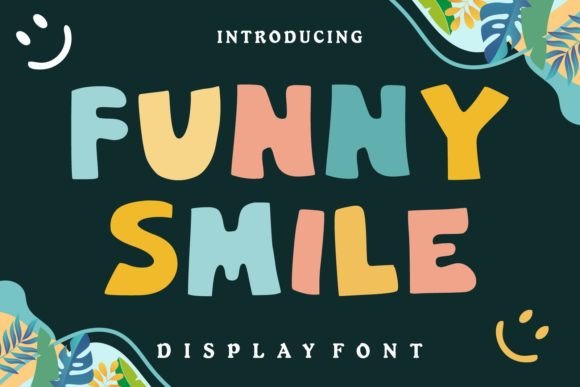
There is a specific moment in the design process when you realize your project feels too stiff. Maybe it’s a label for a new line of artisanal cookies, or perhaps it’s the header for a community event flyer. The colors are right, and the layout is clean, but the typography whispers "corporate memo" instead of "fun experience." This is where Funny Smile steps in. It isn’t just another font; it is a deliberate break from the rigid grid, offering a childish and playful display style that instantly humanizes visual communication.
For creators, entrepreneurs, and marketers aged 20 to 50, the challenge is often balancing professionalism with approachability. We live in an era where consumers crave authenticity. They want to buy from people, not faceless entities. A font like Funny Smile, with its informal and casual signature, bridges that gap. It tells the viewer, "We don’t take ourselves too seriously, but we take your enjoyment seriously." Understanding when and how to deploy this typeface can transform a mundane design into something memorable and engaging.
Why Casual Typography Matters in Modern Branding
Typography is the voice of your design. If your brand were a person at a party, would it be the one standing stiffly in the corner holding a glass of water, or the one laughing near the snack table? Funny Smile is definitely the latter. Its unique signature lies in its irregular strokes and rounded edges, which mimic the natural imperfection of hand-lettering without the inconsistency of actual handwriting.
This matters because trust is built on relatability. When small business owners or freelancers use overly formal serif fonts for playful products, they create a cognitive dissonance. A child’s birthday party invitation set in Times New Roman feels wrong. Conversely, a legal contract written in a bubbly display font feels unprofessional. Funny Smile hits the sweet spot for industries that thrive on joy, creativity, and ease. It signals that the interaction will be low-stress and high-fun.
Real-World Applications for Creators and Entrepreneurs
The versatility of Funny Smile makes it a top choice for various creations. However, its effectiveness depends on context. Here is how different users can leverage this font to achieve specific outcomes.
Product Packaging That Stands Out on Shelves
In retail environments, especially for food and beverage items, packaging needs to communicate flavor and vibe within seconds. Imagine a jar of homemade jam or a bag of gourmet popcorn. Using a sterile sans-serif font might suggest efficiency, but it doesn’t suggest taste. Applying Funny Smile to the product name adds a layer of warmth. It suggests that the product was made with care and love, likely by real humans rather than machines. For entrepreneurs launching small-batch goods, this typographic choice can justify a premium price point by enhancing the perceived artisanal quality.
Apparel and Merchandise Design
T-shirts and tote bags are walking billboards for personal expression. People rarely wear text-based apparel to convey complex data; they wear it to share a mood or a joke. Funny Smile works exceptionally well here because its childish aesthetic pairs perfectly with humorous slogans, nostalgic references, or simple positive affirmations. A freelancer designing merch for a client’s podcast, for example, could use this font to create a logo that looks friendly and accessible, encouraging fans to rep the brand proudly in casual settings.
Educational Materials and Classroom Resources
Educators and publishers often struggle to make learning materials visually appealing to younger audiences without appearing condescending. While primary school worksheets benefit from highly legible standard fonts, supplementary materials like reward charts, classroom decor, or activity headers can benefit from the energy of Funny Smile. It captures attention without overwhelming the reader. For parents creating homeschooling resources, using this font for section headers can break up dense text and make the learning process feel more like play than work.
Digital Presence and Social Media Engagement
The digital landscape is crowded. Bloggers and social media managers compete for milliseconds of attention. While body text on websites should remain highly readable (stick to your standard sans-serifs or serifs), display fonts play a crucial role in headers, banners, and call-to-action buttons.
Consider a lifestyle blogger writing about weekend DIY projects. A hero image featuring the title "Weekend Wins" in Funny Smile sets a relaxed, achievable tone. It lowers the barrier to entry for the reader, suggesting that the project is fun rather than difficult. Similarly, YouTubers and content creators can use this font in thumbnails to add a pop of personality. The key is contrast: pair the playful display font with clean, minimal backgrounds to ensure it remains legible on small mobile screens.
Who Benefits Most from This Font?
- Small Business Owners: Those in bakery, pet care, childcare, or entertainment sectors who need to project friendliness.
- Graphic Designers: Freelancers looking for a reliable display font that saves time on custom lettering while still feeling unique.
- Event Planners: Professionals organizing birthdays, baby showers, or casual corporate retreats where the atmosphere is key.
- Marketers: Teams running campaigns focused on happiness, nostalgia, or community building.
Practical Considerations Before You Download
While Funny Smile is a powerful tool, it is not a universal solution. Before applying it to your next project, consider these practical constraints to ensure professional results.
- Legibility is Paramount: Display fonts sacrifice some readability for style. Avoid using Funny Smile for long paragraphs or small print sizes. It shines in headlines, logos, and short labels. If you need to convey detailed information, pair it with a neutral, easy-to-read body font.
- Contextual Appropriateness: Ask yourself if the tone matches the message. This font is ideal for lighthearted topics. It is generally unsuitable for financial reports, medical advice, or luxury brands aiming for an exclusive, high-end aesthetic. Misusing playful typography can undermine credibility in serious sectors.
- Licensing and Usage Rights: Always check the license agreement. Whether you are using it for a personal hobby project or a commercial product line, ensure your usage complies with the creator’s terms. Many designers offer separate licenses for personal and commercial use, so verify this before launching any paid product.
- Color and Contrast: Because the font has a casual, hand-drawn feel, it pairs well with bright, saturated colors. However, ensure there is enough contrast between the text and the background. A light yellow Funny Smile text on a white background will vanish, defeating the purpose of using a distinctive typeface.
Making the Right Choice for Your Creative Toolkit
Choosing a font is ultimately about emotional resonance. Funny Smile offers a specific kind of resonance: joy. It reminds us that design doesn’t always have to be sleek, minimal, or serious to be effective. Sometimes, the most effective communication is a wink, a smile, and a sense of shared humor.
For the everyday user, the entrepreneur, or the seasoned designer, adding this font to your library expands your ability to connect with audiences on a human level. It allows you to strip away the pretense and focus on the core message: that what you are creating is meant to be enjoyed. Whether you are labeling a jar of pickles, designing a T-shirt for a local run club, or creating a poster for a neighborhood block party, let the typography do some of the heavy lifting. Let it smile first, so your audience feels welcome to join in.