Elevating Brand Identity with the Charm of Beautiful Bride: A Strategic Guide for Modern Creators
In the rapidly evolving landscape of digital design and brand communication, typography has transcended its traditional role as a mere vessel for text. It has become a primary driver of emotional connection, brand personality, and user engagement. For professionals, creators, and entrepreneurs, selecting the right typeface is no longer just an aesthetic decision; it is a strategic business imperative. Amidst a sea of sterile sans-serifs and rigid geometric structures, there is a growing demand for fonts that inject humanity, warmth, and authenticity into visual communications. This is where Beautiful Bride emerges as a significant tool for modern designers.
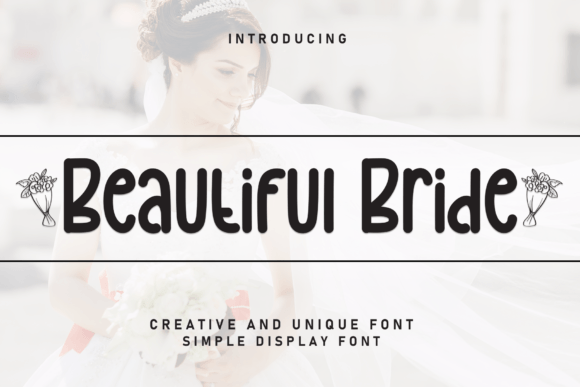
Beautiful Bride is defined as a sweet and friendly handwritten display font. Its character is rooted in cuteness and fun, making it an ideal choice for wedding invitations, greeting cards, and any design project requiring a distinctively approachable touch. However, to view this typeface solely through the lens of nuptial stationery is to underestimate its broader utility in today’s experience-driven economy. This article explores how Beautiful Bride aligns with current market trends, satisfies changing consumer expectations, and offers practical value for freelancers and marketing teams alike.
The Shift Toward Authenticity in Visual Communication
The modern consumer is increasingly skeptical of overly polished, corporate aesthetics. In response, brands across various sectors—from boutique e-commerce stores to lifestyle influencers—are pivoting toward designs that feel personal, handcrafted, and genuine. This shift is not merely a stylistic preference but a reflection of deeper psychological needs for connection and trust. Handwritten fonts play a pivotal role in this transition because they mimic the imperfections and nuances of human handwriting, thereby signaling authenticity.
Beautiful Bride fits seamlessly into this narrative. By offering a script that feels both curated and spontaneous, it allows businesses to break down the barrier between brand and consumer. When a potential customer encounters a marketing asset featuring this font, the immediate subconscious response is one of familiarity and warmth. This is particularly crucial for small businesses and freelancers who rely on building personal relationships with their clientele. The font acts as a visual handshake, inviting the viewer into a space that feels safe, welcoming, and distinctly human.
Beyond Weddings: Expanding the Utility of Handwritten Display Fonts
While the name Beautiful Bride naturally suggests its primary application in the wedding industry, its versatility extends far beyond bridal showers and save-the-dates. The core attributes of the font—sweetness, friendliness, and fun—make it applicable to a wide array of industries where emotional resonance is key. Consider the following sectors where this typeface can drive engagement:
- Boutique Retail and E-commerce: Product packaging, thank-you notes, and social media graphics benefit from the personal touch of handwritten typography. It transforms a transactional interaction into a memorable brand experience.
- Wellness and Lifestyle Coaching: Professionals in yoga, meditation, and life coaching often seek to project calmness and approachability. Beautiful Bride offers a softness that aligns with these values, making it suitable for workshop flyers, website headers, and inspirational quotes.
- Children’s Products and Education: The cute and fun nature of the font makes it an excellent choice for branding materials related to children’s books, educational apps, or toy lines, where playfulness is paramount.
- Hospitality and Food Service: Cafés, bakeries, and artisanal food brands can use this font on menus, signage, and labels to convey a sense of homemade quality and care.
By recognizing these diverse applications, creators can maximize the return on investment for their typography libraries. Instead of limiting Beautiful Bride to seasonal or niche projects, it can become a staple in a designer’s toolkit for any client seeking to project warmth and accessibility.
Aligning with Consumer Preferences for Emotional Design
The relevance of Beautiful Bride is further underscored by the broader trend of emotional design. In an era where digital interactions dominate daily life, users are craving tactile, organic experiences. This phenomenon is evident in the popularity of analog hobbies, the resurgence of print media, and the preference for brands that tell a story. Typography is a critical component of this storytelling process.
Handwritten fonts like Beautiful Bride serve as a bridge between the digital and the physical. They evoke the feeling of a personal note written by hand, triggering nostalgia and positive emotional associations. For marketers and entrepreneurs, leveraging this emotional trigger can significantly enhance conversion rates and brand loyalty. When a landing page header or an email subject line uses a friendly script, it stands out against the noise of standard corporate communications, capturing attention and fostering a sense of intimacy.
Moreover, the rise of social media platforms like Instagram and Pinterest has amplified the importance of visually appealing, shareable content. These platforms favor aesthetics that are bright, cheerful, and personally curated. Beautiful Bride, with its cute and fun demeanor, is perfectly suited for creating quote graphics, promotional posts, and story highlights that encourage user engagement and sharing. Its legibility ensures that the message is clear, while its style ensures that the message is memorable.
Practical Workflow Integration for Designers and Freelancers
For professional designers and freelancers, integrating new typefaces into existing workflows requires consideration of technical compatibility and design hierarchy. Beautiful Bride is a display font, which means it is designed to be used at larger sizes for headings, titles, and short bursts of text. It is not intended for body copy, where readability over long passages is essential. Understanding this distinction is crucial for maintaining effective communication in design projects.
To effectively utilize Beautiful Bride, consider pairing it with clean, neutral sans-serif or serif fonts for body text. This contrast creates a balanced visual hierarchy, allowing the handwritten elements to shine as accent pieces without overwhelming the reader. For example, a wedding invitation might feature Beautiful Bride for the names of the couple and the date, while using a simple sans-serif for the venue details and RSVP information. This approach ensures that the design remains functional while retaining its charming aesthetic.
Additionally, designers should pay attention to spacing and kerning when working with handwritten fonts. Since these typefaces mimic natural writing, they often have variable widths and connections between letters. Adjusting tracking and line height can help optimize legibility and ensure that the text flows naturally within the layout. Testing the font across different devices and screen sizes is also recommended to guarantee that the delicate details of the script remain visible and impactful on mobile devices, where a significant portion of content consumption occurs.
The Business Case for Investing in Distinctive Typography
From a business perspective, investing in high-quality, distinctive typography like Beautiful Bride is a cost-effective strategy for brand differentiation. In saturated markets, where competitors may offer similar products or services, visual identity becomes a key differentiator. A unique typographic voice can help a brand stand out, communicate its values instantly, and create a lasting impression.
Furthermore, the versatility of Beautiful Bride allows for consistent branding across multiple touchpoints. Whether it is used on a business card, a website banner, a product label, or a social media post, the font reinforces brand recognition. Consistency in typography builds trust and professionalism, signaling to customers that the brand pays attention to detail and cares about its presentation. For entrepreneurs and small business owners, this level of polish can elevate perceived value and justify premium pricing.
As technology continues to advance, with tools like AI-generated design and automated templating becoming more prevalent, the human element in design becomes even more valuable. Fonts that embody human characteristics, such as Beautiful Bride, serve as a reminder of the creativity and intentionality behind a brand. They resist the homogenization of design and offer a pathway for businesses to maintain their unique identity in an increasingly automated world.
Future-Proofing Your Design Strategy
Looking ahead, the demand for personalized and emotionally resonant design is expected to grow. Consumers will continue to seek brands that align with their values and offer authentic experiences. Typography will remain a central pillar of this strategy, with handwritten and script fonts playing a crucial role in conveying warmth and personality.
By incorporating Beautiful Bride into their design systems, professionals can future-proof their creative assets. The font’s timeless appeal lies in its ability to connect with universal human emotions—joy, love, and celebration. These emotions are not subject to fleeting trends; they are enduring aspects of the human experience. Therefore, designs that leverage these emotions through thoughtful typography are likely to remain relevant and effective for years to come.
In conclusion, Beautiful Bride is more than just a cute and fun handwritten font. It is a strategic asset for creators, marketers, and entrepreneurs who understand the power of emotional design. By aligning with broader trends toward authenticity and personalization, this typeface offers a versatile and impactful solution for a wide range of design challenges. Whether used for wedding invitations, brand packaging, or digital marketing campaigns, Beautiful Bride provides the sweet and friendly touch needed to engage audiences and build lasting connections. As the design landscape continues to evolve, embracing such human-centric tools will be essential for those seeking to create meaningful and memorable brand experiences.